The “Bellwether” Case That Just Ended
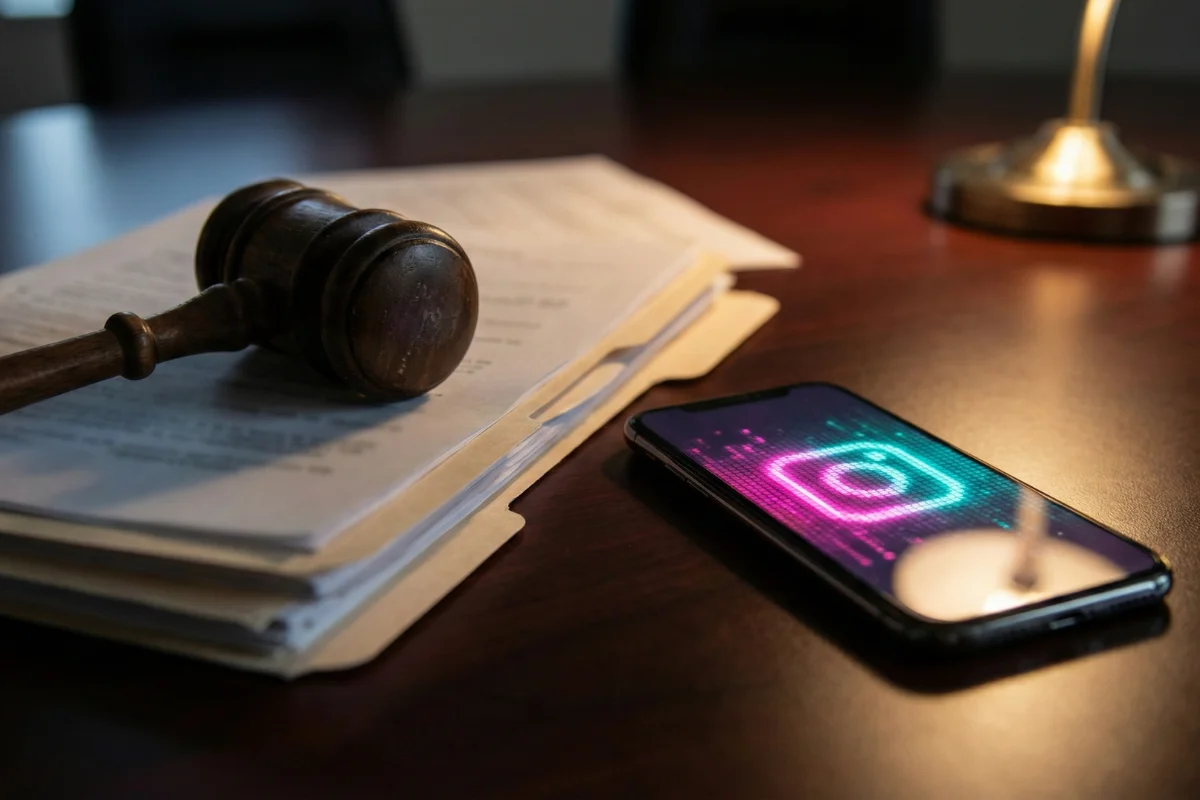
The massive TikTok addiction settlement reached this week has halted a high-profile trial that was set to begin in Los Angeles. This case involved a 19-year-old woman, identified as “Alex G.,” who claimed the app’s algorithm hooked her as a minor, leading to severe depression and body dysmorphia.
Why does this matter to you? This wasn’t just one lawsuit; it was a “bellwether” trial—a test case designed to predict how thousands of similar claims against tech giants might play out. By settling, TikTok avoids a public jury verdict that could have exposed internal algorithms or set a dangerous legal precedent for the industry. This move mirrors broader trends we are seeing in Trump’s 2026 Big Tech regulation policies, where legal battles are increasingly reshaping the digital landscape.
For millions of users and concerned parents, this settlement signals a massive shift. It validates the legal argument that social media platforms can be held accountable for user health, even if they don’t admit fault in court.
Details of the TikTok Addiction Settlement
What We Know So Far
While the financial terms of the TikTok addiction settlement remain confidential, the timing is critical. Jury selection was scheduled to start immediately, meaning TikTok chose to pay rather than face a jury of peers who might be sympathetic to the mental health crisis among teens.
The “Addiction by Design” Argument
The core of the lawsuit wasn’t just about content; it was about design. Lawyers for Alex G. argued that TikTok creates a “feed” specifically engineered to override a child’s ability to self-regulate. This raises questions similar to those surrounding Grok 3’s safety controversies, where user safety clashes with aggressive engagement metrics.
- Infinite Scroll: Removes stopping cues.
- Variable Rewards: Similar to slot machines (intermittent dopamine).
- Algorithmic Targeting: Pushes content based on vulnerability, not just interest.
Big Tech Liability Status: Who Is Next?
This settlement puts immense pressure on other tech giants facing similar “addiction” litigation. Here is where the major players stand as of early 2026:
| Platform | Legal Status | Key Allegation | Risk Level |
|---|---|---|---|
| TikTok | 🛑 Settled (Jan 2026) | Algorithm caused body dysmorphia & depression | High (Precedent set) |
| Meta (IG/FB) | ⚖️ Pending Trial | “Addiction by design” features targeting minors | 🚨 Critical |
| YouTube | ⚖️ Pending Trial | Auto-play & recommendation loop exploitation | High |
| Snapchat | 📝 Discovery Phase | Ephemeral messaging fueling anxiety/bullying | Moderate |
With Meta facing critical scrutiny, the industry is also watching how Reality Labs layoffs and the shift away from the metaverse might impact their legal defense resources.
3 Signs of Algorithmic Dependency
If you are worried about your own usage or a family member’s, experts involved in these cases highlight specific “red flags” that go beyond just spending time on the phone.
- Displacement of Needs: Skipping sleep, meals, or hygiene to continue scrolling.
- Withdrawal Irritability: Intense anger or anxiety when the app is inaccessible or Wi-Fi is down.
- Loss of Control: Setting a limit (e.g., “5 minutes”) and consistently failing to meet it by hours.
Conclusion
The TikTok addiction settlement is a win for the plaintiff but leaves the broader questions unanswered for the public. While Alex G. receives compensation, the algorithms remain largely unchanged. If you are a parent, do not wait for the courts to fix the feed—use hardware-level controls and open conversations to manage digital health today. As agentic AI systems become more autonomous, understanding these digital mechanisms will only become more crucial.
❓ FAQ: Common Questions About the TikTok Settlement
Did TikTok admit that its algorithm is harmful?
No. By settling out of court, TikTok explicitly avoided admitting any liability or wrongdoing. This is a standard legal strategy to prevent a public jury verdict that could force them to disclose trade secrets about how their recommendation engine works.
Will the TikTok app change after this lawsuit?
Likely not immediately. Since this was a monetary settlement for a specific individual, it does not legally mandate TikTok to alter its infinite scroll or algorithmic targeting. However, looming regulations may force these changes soon.
Can other families still sue TikTok for addiction?
Yes. This settlement applies only to “Alex G.” It does not block thousands of other pending cases. In fact, legal experts argue this payout might encourage more families to file suits, knowing that the company is willing to pay to avoid a trial.
🔗 Sources
- Reuters: TikTok settles social media addiction lawsuit ahead of trial
- NY Times: TikTok Settles Social Media Addiction Lawsuit
- LA Times: Is social media harmful for kids? TikTok settles suit
- AInvest: TikTok’s Settlement: A Structural Shift in Social Media
- NY Post: TikTok reaches settlement with woman who blamed app for depression
📚 Further Reading
- The AI Jobs Impact 2026: Why Tech Firms Are Actually Hiring More

- Musk vs Altman OpenAI 2026: The Leaked Emails War

- Diablo 4 Lord of Hatred Release Time: Global Launch Schedule, Patch Size, and Pre-load Specs

- Apple AI glasses designs: Will U.S. Buyers Fight For Them?

- The 2026 US AI Job Market: Top Roles, Salaries, and Hiring Trends