The tech world just witnessed a seismic shift in AI ethics. At the center of the storm is the OpenAI Pentagon deal 2026 controversy, a flashpoint that triggered massive backlash and fueled the viral #QuitGPT movement across the developer ecosystem. [This changes everything for foundation models.]
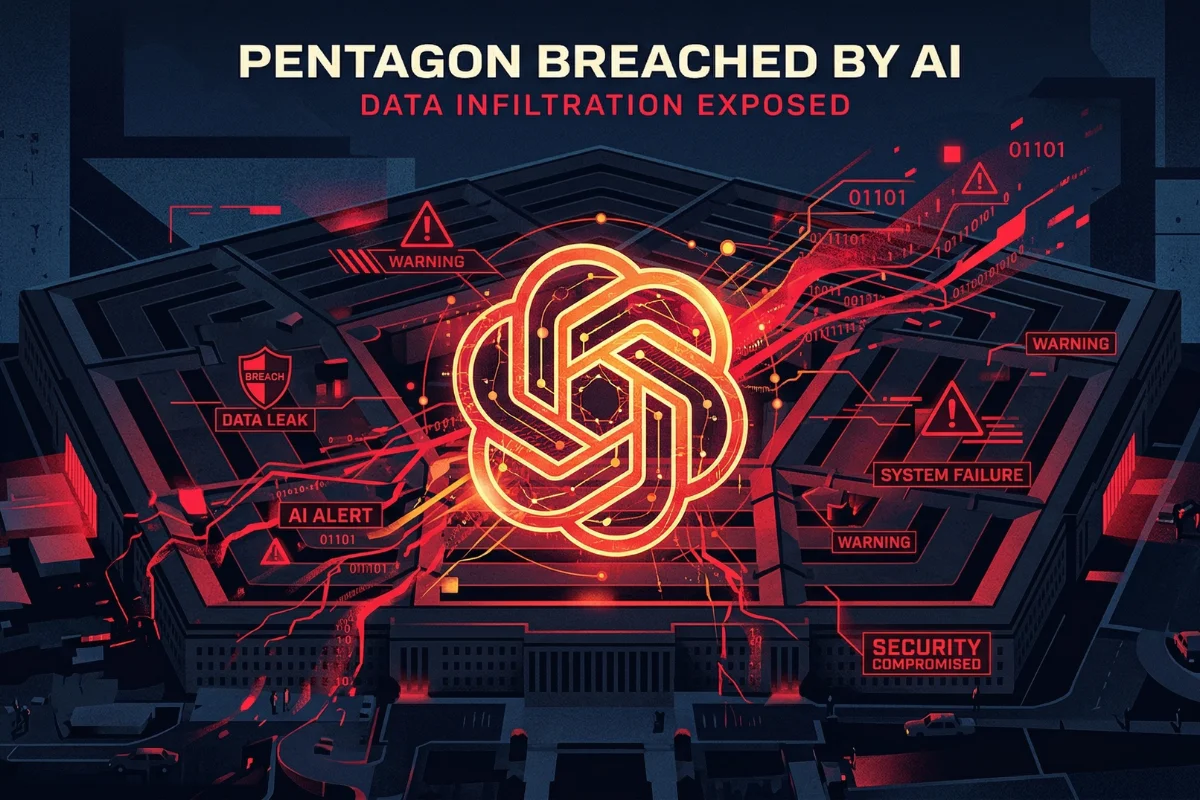
On February 28, OpenAI signed a sweeping contract to deploy its AI models on classified U.S. Department of Defense networks. The move immediately sparked outrage among ethics-focused engineers and tech journalists who fear the erosion of critical AI safety guardrails.
You need to understand the facts behind the headlines to protect your tech stack. We will break down the exact terms of the military contract, analyze why rival Anthropic walked away, and reveal what this exodus means for the future of artificial intelligence tools in 2026.
Decoding the Defense Department Contract
OpenAI officially crossed the military threshold this year. The company agreed to integrate its models into classified government networks, opening the door for national security applications.
Sam Altman initially pushed the deal through rapidly. He later admitted the rollout was “opportunistic and sloppy” and that the initial optics did not look good. The early terms left massive gray areas regarding autonomous weapons and domestic surveillance.
To contain the PR disaster, OpenAI eventually clarified its “red lines” for the military contract:
- ✅ Classified Access: Models operate on secure DoD servers for intelligence analysis.
- ✅ National Security Focus: Built to assist strategic defense tasks.
- ❌ Autonomous Lethality: Strictly bans AI from firing weapons or commanding strikes.
- ❌ Mass Surveillance: Prohibits domestic spying on U.S. citizens using commercially acquired data.
The Core of the OpenAI Pentagon Deal 2026 Controversy
The backlash started from within. Top engineers and researchers openly criticized the leadership team for prioritizing lucrative defense contracts over the company’s original nonprofit safety charter. (This shift is already impacting how developers assess ChatGPT’s new versions and capabilities).
Hardware robotics leader Caitlin Kalinowski publicly resigned. In her open letter, she cited severe risks regarding unsupervised surveillance and the potential for lethal autonomy without human oversight. [The internal talent bleed is real.]
A coalition of over 900 current and former employees from OpenAI and Google signed a sweeping manifesto. They demanded stricter oversight, total transparency on military contracts, and absolute bans on weaponized AI systems.
Sam Altman’s Crisis Management Tactics
Leadership scrambled to contain the damage as protests erupted outside their headquarters. Altman circulated an internal memo promising to rewrite the contract and enforce stricter boundaries.
He explicitly barred the use of commercially acquired data for domestic surveillance, closing a major loophole. Despite these concessions, the trust deficit remains massive among developer communities who feel the company abandoned its core mission. As valuation talks heat up, OpenAI’s 2026 market position is heavily scrutinized by investors wary of PR disasters.
Why Developers Are Fleeing to “Ethical-First” Rivals
While OpenAI embraced the Pentagon, its biggest rival took the exact opposite path. Anthropic CEO Dario Amodei publicly rejected a similar military deal, drawing a massive line in the sand for the industry.
Amodei stated the company could not proceed “in good conscience” without ironclad guarantees against autonomous weapons and domestic surveillance. This defining choice instantly positioned Anthropic as the industry’s moral compass.
U.S. lawmakers even publicly endorsed Claude. Politicians signed up for the service as a symbolic protest against the OpenAI Pentagon deal 2026 controversy, proving that AI ethics are now mainstream political theater.
The Foundation Model Showdown
If you are choosing an API for your enterprise, you must understand where these providers stand. Here is the current landscape of the foundation model wars:
| Feature / Stance | OpenAI (ChatGPT) | Anthropic (Claude) |
|---|---|---|
| 🪖 Military Contracts | Active DoD deployment | Rejected Pentagon offers |
| 🛡️ Lethal Autonomy Ban | Stated in revised terms | Hardcoded core policy |
| 👁️ Mass Surveillance | Banned (post-backlash) | Strictly prohibited |
| 📉 User Sentiment | Facing #QuitGPT boycott | Topping App Store charts |
| 🤝 Developer Trust | Fractured and skeptical | Strengthening rapidly |
Tracking the #QuitGPT Fallout and Market Shift
The public reaction proved swift and brutal. The #QuitGPT hashtag dominated social media, transforming from a fringe protest into a mainstream tech boycott supported by millions of participants.
U.S. ChatGPT app uninstalls spiked by an unprecedented 295% the day after the announcement. Users flooded Reddit and tech forums to share open-source migration tools and tutorials on leaving the OpenAI ecosystem. Many are turning to alternative systems and exploring how to build their own no-code AI agents to avoid vendor lock-in.
Claude surged to the top of the U.S. App Store’s free charts. It surpassed ChatGPT in daily downloads and dominated the productivity category overnight. [Ethics now drive user acquisition directly.]
What This Means for Tech Journalists and Devs
You must now evaluate foundation models through a strict ethical lens. Choosing an AI provider is no longer just about token limits, pricing, and context windows.
If your product relies on an API from a vendor deeply embedded in classified military networks, you carry that reputational risk. Developers must decide if they tolerate these defense ties or migrate to neutral alternatives to protect their brand trust. For a deeper look at avoiding vendor lock-in, check out our guide on AI tools for developers in 2026.
The Final Verdict on Military AI
The OpenAI Pentagon deal 2026 controversy shattered the illusion of neutral AI. Foundation models are now geopolitical assets, forcing every developer, journalist, and enterprise user to choose a side in the ethics war.
Do you stay with a powerful model that serves military interests, or do you pivot to ethical-first alternatives like Anthropic? Review your AI architecture today. Discuss these risks with your engineering team before your users make the decision for you.
Sources & References
- Business Insider: The fallout over OpenAI’s Pentagon deal is growing
- Reuters: OpenAI details layered protections in US defense department pact
- The New York Times: OpenAI Amends A.I. Deal With the Pentagon
- Politico: OpenAI announces new deal with Pentagon
- Crescendo AI: OpenAI signs Pentagon deal, sparks massive #QuitGPT backlash
- BBC News: OpenAI changes deal with US military after backlash
- Google Flow Camera Commands: 40 Prompts to Steal Right Now

- Moltbook AI Agent Network: Inside the Social Platform Built for Bots

- macOS vs Windows Security: Which One Actually Keeps You Safer in 2026?

- Security+ Passing Score Explained: How Many Questions Can You Miss?

- Musk vs Altman OpenAI 2026: The Leaked Emails War