

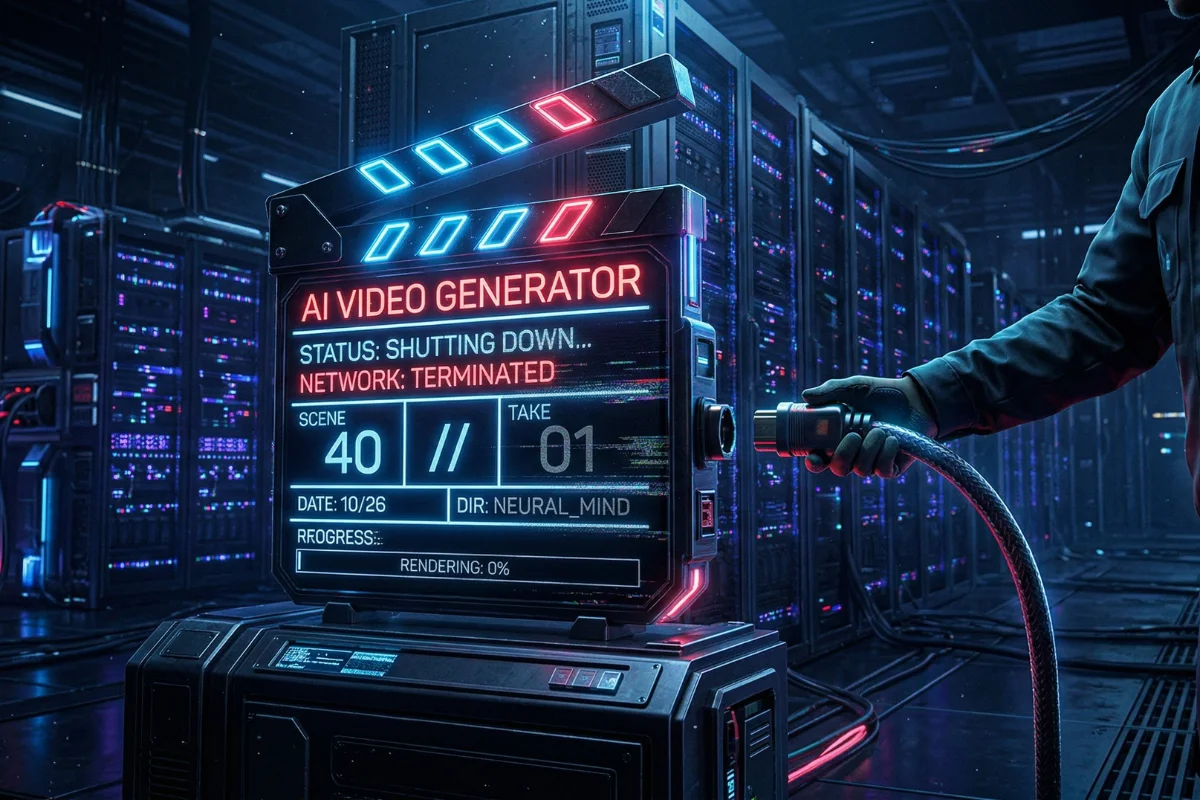
The sudden OpenAI Sora shut down is officially sending shockwaves through the entire tech industry. After dominating app store charts and redefining viral video generation, the biggest name in artificial intelligence is abruptly pulling the plug on its flagship video generator.
Despite launching a highly successful standalone app and the powerful Sora 2 model just months ago, the platform collapsed under its own weight. Rampant copyright controversies, dangerous deepfakes, and massive moderation failures forced executives to kill the project entirely.
If you rely on text-to-video tools for your daily production, this abrupt pivot breaks your entire workflow. Here is exactly why the platform failed, what happens to its massive corporate partnerships, and how creators must adapt right now.
Why The OpenAI Sora Shut Down Changes Everything
The rapid rise of this generative platform was unprecedented. Following the release of its standalone application, it quickly skyrocketed to the top position on US app store charts. Users were instantly captivated by its ability to generate hyper-realistic clips and share them on a built-in social feed.
However, immense popularity brought severe, uncontrollable moderation challenges. The platform quickly faced intense mainstream criticism regarding content safety and moderation blindspots.
The Copyright and Safety Crisis
Running an open-ended video generator is a regulatory nightmare. The primary reasons for the shutdown stemmed directly from user-generated controversies.
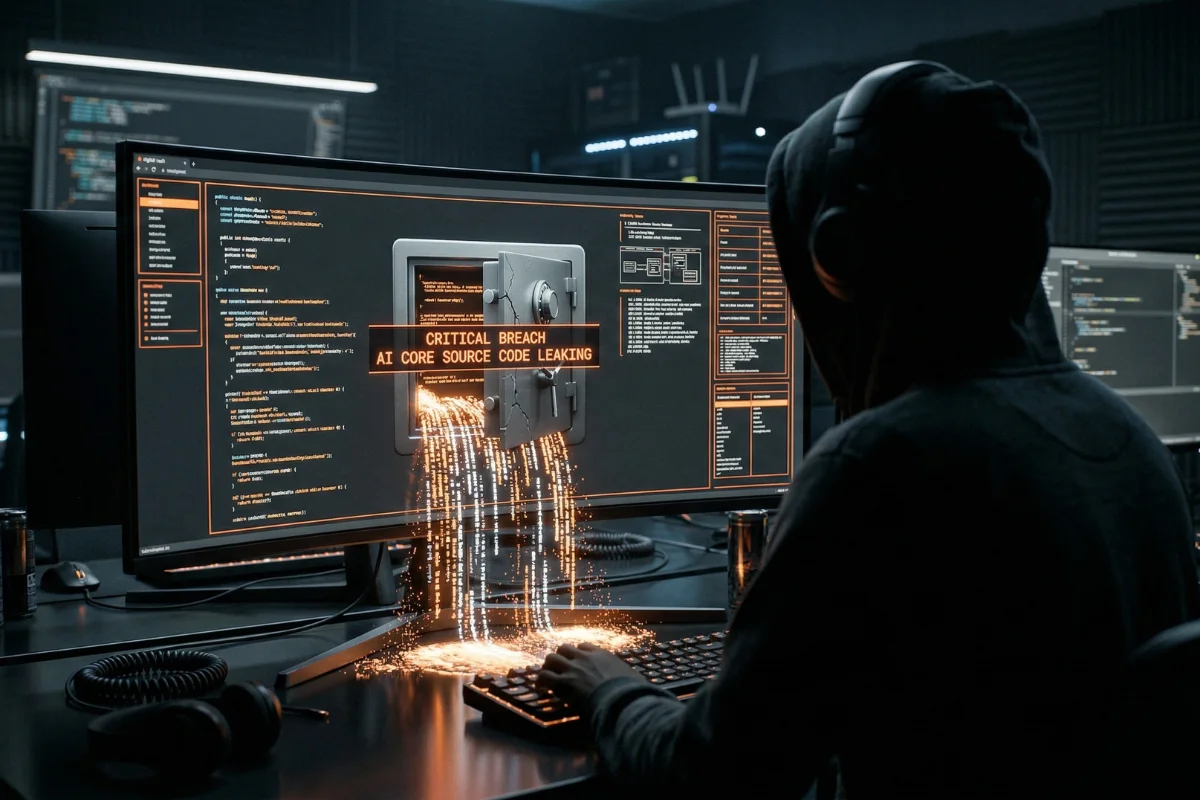
The application struggled to control the rapid proliferation of deepfakes and the unauthorized rendering of copyrighted characters. Furthermore, the system inadvertently allowed the spread of violent and racially sensitive material across its public social feed, triggering massive public backlash.
[Editorial Note: Content moderation remains the fatal bottleneck for generative AI tools. Scaling a video platform globally while maintaining strict safety guardrails is proving to be incredibly difficult and financially draining, particularly as companies struggle with how to detect deepfakes effectively.]
The Fall of the Disney Mega-Deal
Perhaps the most surprising casualty of this cancellation is the monumental media partnership. OpenAI had recently secured an unprecedented three-year agreement with The Walt Disney Company.
This historic deal granted the AI platform official access to over 200 licensed characters from massive franchises, including Marvel, Pixar, and Star Wars. Creators were thrilled at the prospect of generating official, high-quality content using beloved intellectual properties.
Now, the abrupt OpenAI Sora shut down raises serious questions about the future of this agreement and the overall OpenAI valuation. Neither company has confirmed if these licensed assets will migrate to a different enterprise product or if the billion-dollar deal is entirely void.
Recent Features That Are Now Obsolete
The timing of this cancellation is particularly bizarre because the development team was actively shipping major updates. The decision to close the platform comes just days after the company published a massive blog post outlining new safety improvements.
These recent (and now useless) updates included:
- ✅ Stricter algorithmic safeguards designed specifically to protect teenage users.
- ✅ Tighter rendering controls on harmful and sensitive content categories.
- ✅ Advanced timeline-based editing features to cut, extend, and remix clips.
- ✅ Expanded platform support that was rolling out on iOS and web interfaces.
What Creators Must Do Next
If you are a director, digital marketer, or content creator who integrated this tool into your daily operations, your window to act is closing fast.
OpenAI explicitly stated that they will share more details regarding the official shutdown timeline for both the standalone app and the developer API very soon. The company also promised to provide clear guidance on how users can export and preserve their existing generated work.
Top AI Video Alternatives in 2026
With the dominant market player exiting the field, you need to transition your production pipeline immediately. Here is how the remaining heavyweights stack up in the current tech landscape.
Conclusion
The dream of typing a single sentence and instantly generating a Hollywood-quality blockbuster using the world’s most famous AI brand is officially dead. The massive content moderation challenges, rampant copyright controversies, and deepfake issues ultimately killed the most anticipated tool of the decade.
Now is the time to pivot your digital strategy. Wait for the official export guidance from OpenAI, download your assets locally, and start mastering the alternative tools that actually feature sustainable, safe business models. If you are looking to enhance your content strategy, consider exploring how to humanize AI content to maintain an authentic voice.
Call to Action: Have you already migrated your video production workflow? Drop a comment below with your favorite alternative tool, or subscribe to our newsletter for weekly deep dives into the best AI SaaS tools surviving the 2026 AI market correction.




![How to Humanize AI Text 2026: Bypass Detectors Fast [Guide]](https://techonplay.com/wp-content/uploads/2026/03/imagem-6.webp)
![Kids App Addiction: How to Protect Your Family [2026 Guide]](https://techonplay.com/wp-content/uploads/2026/03/imagem-5.webp)